Feed the family well on a grocery budget that holds
Price your recipes before you shop, compare store labels with brands, and build a weekly list that keeps the receipt where you planned it.

Price your recipes before you shop, compare store labels with brands, and build a weekly list that keeps the receipt where you planned it.
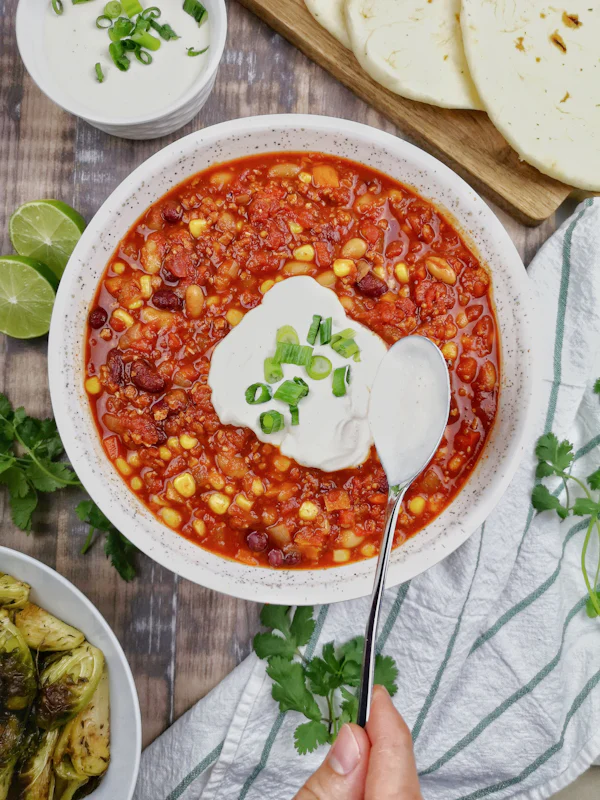 Costing
Six servings, one pot, and a clear view of which packs will be left half used.
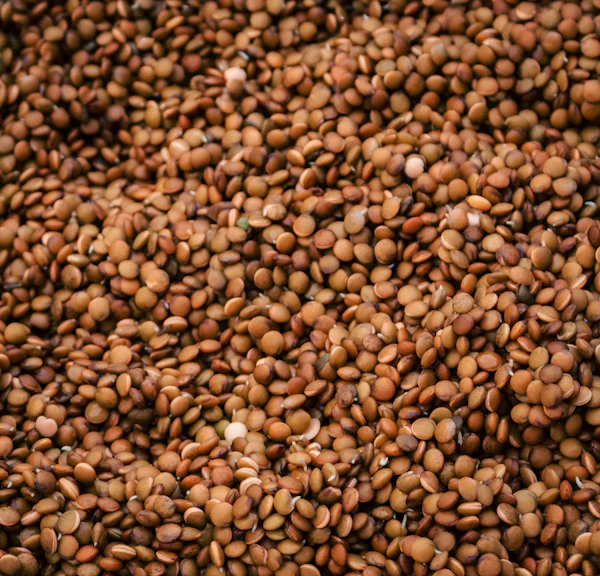 Pantry
Soup on Monday, a curry midweek, and a filling for Friday's flatbreads.
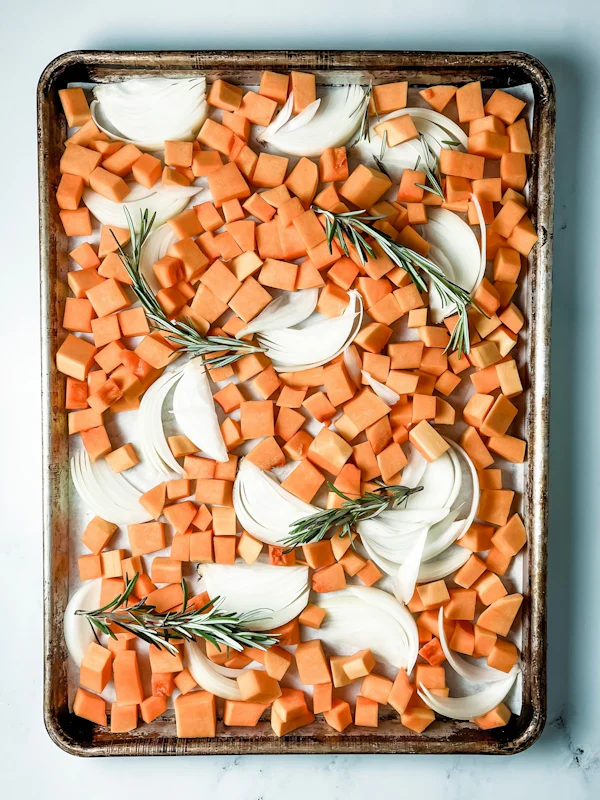 One tray
Fill the oven for one dinner and set aside half for tomorrow's lunch boxes.
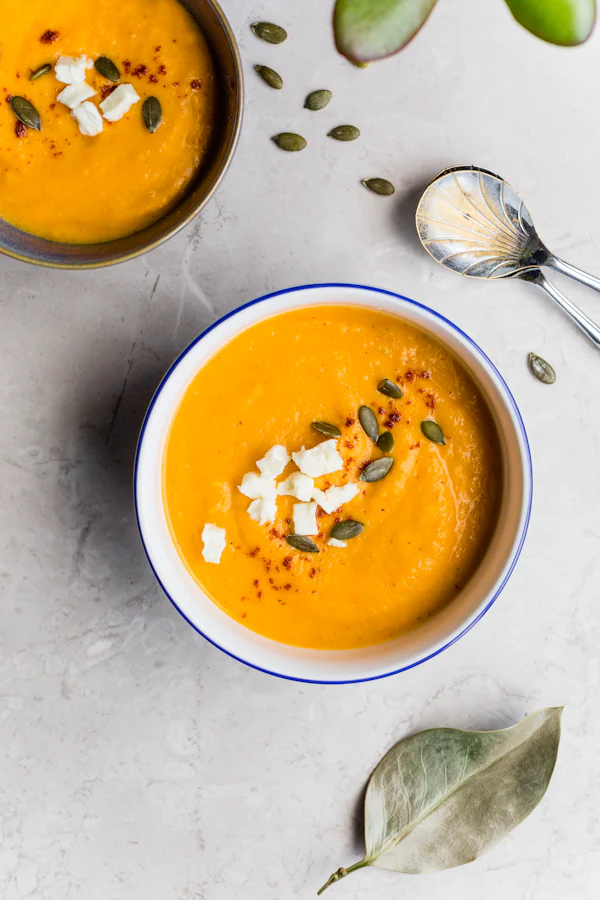 Soup night
A flexible blended soup that turns Friday's odds and ends into a meal.
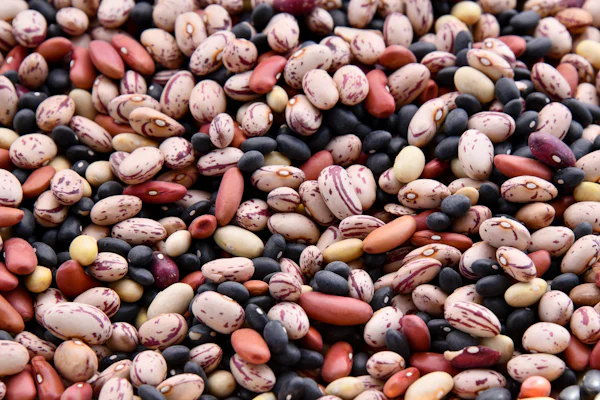 Labels
Try the store version once, at the table, and let the family decide.
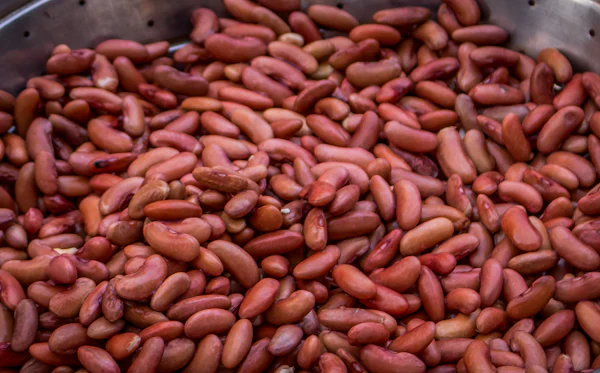 Unit price
Dried usually costs less per serving; tinned saves time. Both have a place.
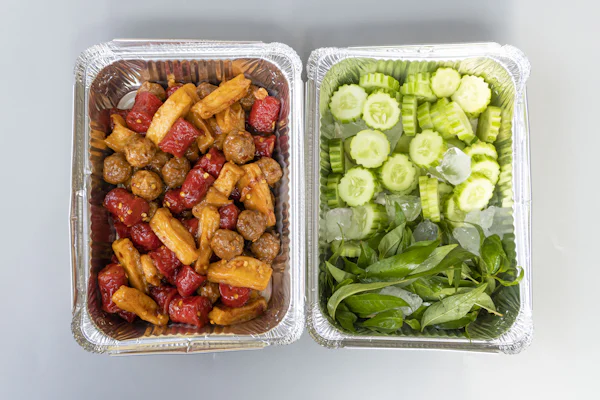 Batch
Cook two bases, portion them up, and the weekday lunch question answers itself.
 Seasonal
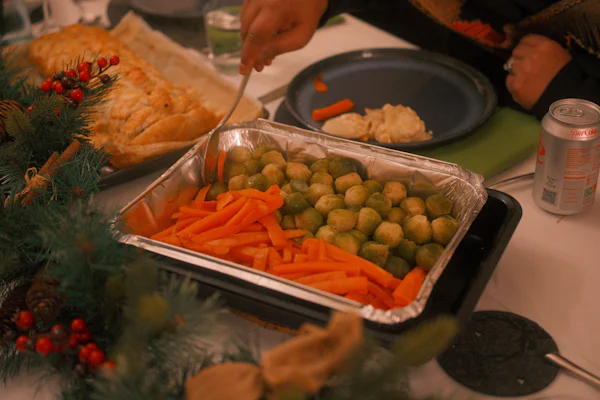
In-season vegetables are often cheaper per kilo, and roasting rescues the rest.
Built on pulses, eggs, roots and tins: the cupboard does most of the work.
Half-mince, half-bean chilli
Stretches one pack of mince across six bowls.
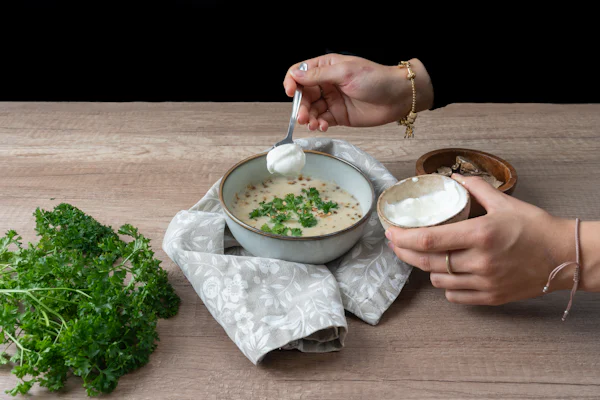 Blended vegetable soup
Any roots, one onion, stock and a swirl of yoghurt.
Tray-roast roots with chickpeas
One oven, one tray, a tin of chickpeas for protein.
The shelf that makes cheap dinners possible. Buy by unit price, store well, rotate.
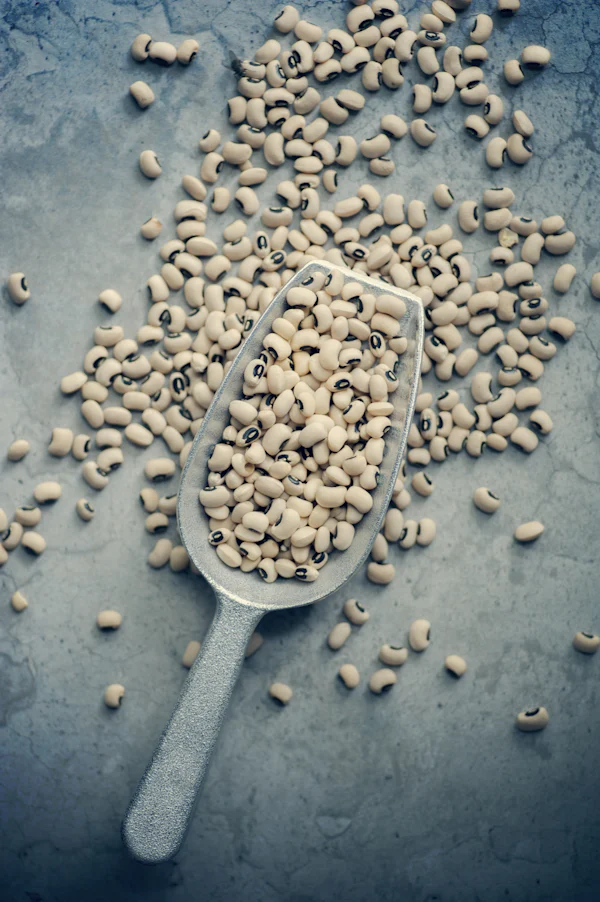 Dried white beans
Soak overnight; cook a full bag and freeze in portions.
Brown and red lentils
No soaking, quick to cook, good in soups and sauces.
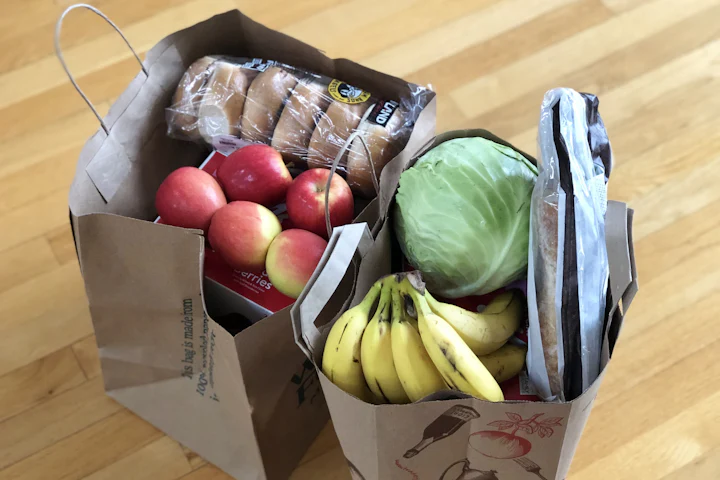 Keeping fruit
Apples and bananas bought loose, by weight, for the week.
Cook once at the weekend, eat well on the evenings with no time to spare.
Meatballs and roast roots
Two trays on Sunday become four boxed lunches.
 Cook-together Sunday
Hand the chopping round; the batch is done in an hour.
Soup by the potful
One big pot, six portions, lunches for half the week.
Most households don't overspend on one big item. They overspend in small, invisible ways: a second jar of cumin, a recipe that needs half a bunch of herbs, a brand-name tin when the store label would do.
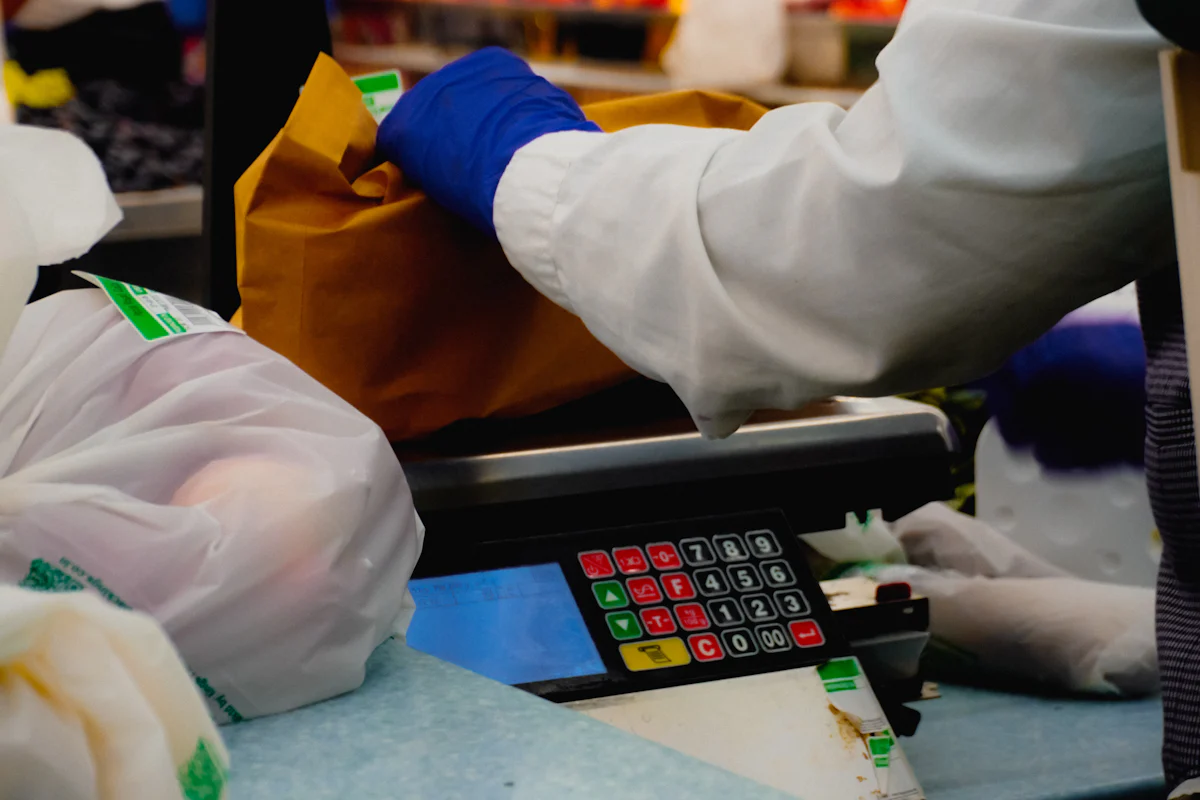
Recipe-based price comparison tackles the small leaks head-on. You price the meals you actually plan to cook before you reach the shop, instead of discovering the total at the till. This guide explains how it works, where it saves money, and where it doesn't.
Ask a few families where their grocery money goes and the answers sound alike. The list was vague, the trip ran long, and the basket filled with things that looked like good value on the shelf. None of these is a single bad decision. They are small leaks that add up over a month.
The first leak is buying by item rather than by meal. A shopper who writes "chicken, rice, peppers" has no idea what the week's dinners will cost, because the quantities and recipes are still undecided. The price only becomes real at the checkout, when it is too late to change the plan.
The second leak is duplication. Spices, sauces and staples get bought again because nobody checked the cupboard. The third is waste: a recipe calls for 200 grams of spinach, the bag holds 500, and the rest wilts in the fridge by Friday.
Recipe-based price comparison closes all three leaks at once. You start from the dishes, work out what each one needs, subtract what is already at home, and only then look at prices. The list you take to the shop is short, specific and already costed.
Costing a recipe sounds like accountancy, but it is mostly arithmetic you already know. Take a family chilli that serves six. List each ingredient with the amount the recipe needs, then note the pack size the shop sells and its price. Divide, and you have the cost of what you will actually use, plus a clear view of what will be left over.
| Ingredient | Recipe needs | Pack sold | Left over |
|---|---|---|---|
| Minced beef | 250 g | 500 g | 250 g |
| Kidney beans | 2 tins | 1 tin | none |
| Chopped tomatoes | 2 tins | 1 tin | none |
| Peppers | 2 | pack of 3 | 1 |
| Cumin | 2 tsp | jar | check cupboard |
A quick worked example: if the mince costs 4.00 for 500 g and the chilli uses 250 g, the dish carries 2.00 of meat, and the other 2.00 sits in the fridge waiting for a plan. Write that leftover into Wednesday straight away, or the saving on paper becomes waste in practice.
Two numbers matter most. The first is cost per serving, which lets you compare a lentil curry with a roast on equal terms. The second is the unit price: the cost per kilo, litre or 100 grams that most shelf labels print in small type. Unit prices expose the larger pack that is cheaper per gram and, just as often, the "family size" box that isn't.
Doing this by hand for every meal is slow, which is why a number of apps now offer it. Tools such as Recipe2Shop take a recipe, turn its ingredients into a shopping list and attach store prices, so a per-meal total appears before you leave home. Coverage of shops and regions differs between tools, so check which stores an app actually supports where you live.
Price the plan, not the trolley. The receipt should confirm a number you already chose.
The largest savings rarely come from coupons. They come from planning meals that share ingredients. A bag of carrots, a tin of tomatoes and a bunch of coriander can carry three different dinners if you choose recipes with that overlap in mind. Each extra meal built from the same pack lowers the cost per serving of everything else.
The second source is switching to store-label versions where quality is comparable. Flour, oats, tinned pulses, frozen vegetables and plain dairy are common candidates. The third is honest portioning: cooking for the number of people at the table, plus a deliberate leftover for lunch, rather than a pot that drifts into the bin.
None of this requires extreme thrift. The aim is a weekly figure you set on purpose and can repeat, a budget that holds even in busy weeks because the planning has already been done.
A plan that ignores leftovers will always look cheaper on paper than it is in practice. When a recipe uses half a pack, write the other half into the plan straight away: the remaining peppers go into Thursday's fried rice, the spare yoghurt becomes a marinade, the last of the bread turns into croutons for soup night.
The freezer is the quiet partner here. Cooked beans, sauce bases, grated cheese, sliced bread and ripe bananas all freeze well. Label each bag with what it is and the date, and keep a short list on the freezer door so nothing is forgotten until it is past its prime.
A simple habit helps: one night a week is a fridge clear-out dinner. Omelettes, soups, fried rice and loaded flatbreads absorb almost anything, and the weekly shop starts from a clean shelf.
If you decide to try an app rather than a notebook, four questions sort the useful ones from the rest. Does it cover the shops you actually use, in your region? Does it show unit prices, not just pack prices? Can you remove pantry items and edit quantities? And does it say how recently its prices were updated?
Shelf prices change, promotions start and end, and some chains price differently by location. Treat any app total as a close estimate, not a promise, and let the receipt have the final word.
On the shelf itself, check that two unit prices use the same unit before comparing them: one label may show the price per kilo and its neighbour the price per 100 grams. Multibuy offers deserve the same test. Three packs for a set price only help if the unit price falls and all three packs will be eaten before their date.
Small substitutions, made once and kept if nobody notices. Savings vary by store and season, so check the unit price on the shelf before you switch.
| Question | Name brand | Store label |
|---|---|---|
| Price | Usually higher per unit, with frequent multibuy offers. | Usually lower per unit, with steadier everyday pricing. |
| Ingredients | Recipe and flavour may be distinctive. | Often similar for basic staples; read the label to be sure. |
| Strong candidates | Items your family genuinely prefers, such as a favourite sauce or cereal. | Flour, sugar, oats, pulses, frozen vegetables, plain dairy. |
| Pack sizes | Wider choice of sizes. | Fewer sizes, sometimes only the larger one. |
| How to decide | Keep it where taste clearly matters. | Try it once; keep it if nobody at the table notices. |
Copy it onto the back of an envelope or the notes on your phone. Ten minutes on Sunday sets the number for the week.
Visit Recipe2ShopOpens the official Recipe2Shop website in a new tab. We may earn a commission if you buy.
Yes, often more so. Smaller households feel waste most, because pack sizes are designed for families. Pricing recipes shows where a pack will be half used and nudges you towards a second meal that finishes it.
Treat them as a close estimate. Shelf prices change, promotions start and end, and some stores price differently by location. The receipt is the final word, which is why logging it each week is part of the method.
Not necessarily. For simple staples the ingredient lists are often very close. The fairest test is your own table: compare the ingredient list, try the store version once, and keep it if nobody notices.
Start from what you actually spend. Add up the last four weeks of receipts, divide by four, and aim a little below that average. Adjust after a month of logging rather than setting an ambitious figure on day one.
Overlap works well when the shared ingredient changes character. Chickpeas can be a curry on Monday, roasted as a snack midweek and blended into a dip at the weekend, so the pack is used up without anyone feeling it is the same meal.
Paper works. A notebook with columns for ingredient, amount needed, pack size and price will do the job. An app mainly saves time by looking up prices and building the list for you; the thinking behind it is the same.
It usually is, for two reasons: larger packs tend to cost less per unit, and cooked portions in the freezer replace the convenience food bought on tired evenings. It only saves money if the portions get eaten, so label and date everything.
Usually because they use different units. One may print the price per kilo and another the price per 100 grams or per item. Convert both to the same unit, for example multiply the per-100 g figure by ten, and the comparison becomes fair. Drained weight matters too for tinned vegetables and pulses.
No. This is an independent informational guide. Apps and stores are mentioned only as examples, and we are not affiliated with or endorsed by any of them.